


The Leading Urban Change professional development program is an exclusive executive learning experience tailored for mid- and senior-level leaders working in the public, private, and not-for-profit sectors. Each year, the program focuses on a vital theme – in Spring 2026, the theme is cross-sector collaboration for urban transformation.
This School of Cities program empowers participants with the essential skills and tools to drive equitable urban transformation at local, regional, and national levels.

Program overview
Format:
Online synchronous and in-person sessions
Location:
School of Cities, University of Toronto and Zoom
Class size:
Under 25 learners
Duration:
4 weeks (24 hours of engagement)
Each application is thoroughly reviewed to ensure the workplace initiative aligns with the program’s objectives and is a good fit for the cohort (this can be a current, upcoming, or previous initiative). If space is available, applicants will be notified of their admission and invited to complete their registration with payment for the program within two weeks. Please feel free to email us at education.sofc@utoronto.ca with any questions or concerns you may have.
How this program made a difference
“Leading urban change is important right now because I think we are in a moment that feels inevitable, and the systems that govern it feel invisible. LUC brings those things out into the light and forces us to examine them with knowledge and with data, but also with colleagues who have seen it from different angles – and that really brings to the surface the fact that none of this is inevitable.”
– Sandi Martin, Muskoka Community Land Trust, Spring 2025 learner
“I think when you ground yourself in being a student again, it gives you so many opportunities to be innovative – to change perspective, to find out something, to discover an idea you hadn’t thought of.”
– Anyika Mark, Little Jamaica Community Land Trust, Spring 2025 learner
“The professors were fantastic – beyond what I was expecting. But it came down to the people who you connect with – for what they bring and what you can give as well. I gained personal growth, career growth, business growth.”
– Richard Tseng, Hus Group, Spring 2025 learner
– Jordan Soggie, Homeway Benefits, Spring 2025 learner
– Anyika Mark, Little Jamaica Community Land Trust, Spring 2025 learner
Program description
Cities are where we solve global problems, because they create a platform for people to come together and innovate on solutions. But urban change is hard, as it demands navigating divergent priorities, regulatory environments, and stakeholder interests. Big problems in cities cannot be solved by a single department, ministry, think tank or company. Leaders must work together across sectors and be open to new ideas, tools, and tactics.
The seven-week, intimate, hands-on Leading Urban Change program will remind you that urban development doesn’t need to be a zero-sum game, and will help you shift from a scarcity mindset focused on deficits, to an abundance mindset based on leveraging assets. It will also teach you how to build soft power – to convene people and surface ideas that draw others to the table. We approach leadership as stemming from aspiration and commitment.
Learners use the program to move a current or previous initiative forward through structured activities and applied learning – working through barriers, engaging stakeholders, and designing actionable strategies tailored to their leadership goals and local context.
Key benefits of the program
Leading Urban Change is a project accelerator. Learners will focus on an ongoing, completed, or forthcoming workplace initiative or challenge, exploring strategies and mechanisms to overcome barriers and identify growth opportunities. The program offers engagement with industry practitioners, experts, peers from across sectors, and opportunities to expand professional networks.
Some key benefits include:
- Practical tools to advance a workplace initiative
- Enhanced strategic leadership for cross-sector collaboration
- Frameworks for systems-level thinking across urban challenges
- Resources and insights into financing, governance, partnership, and engagement
- Opportunities to apply data storytelling and equity-centered approaches
- Access to an expanded professional network and expert instruction
- Option to collaborate in a profile write-up of your initiative, for publication on the School of Cities website
Program instructors

Karen Chapple (program lead): Director, School of Cities; Professor, Department of Geography & Planning, U of T
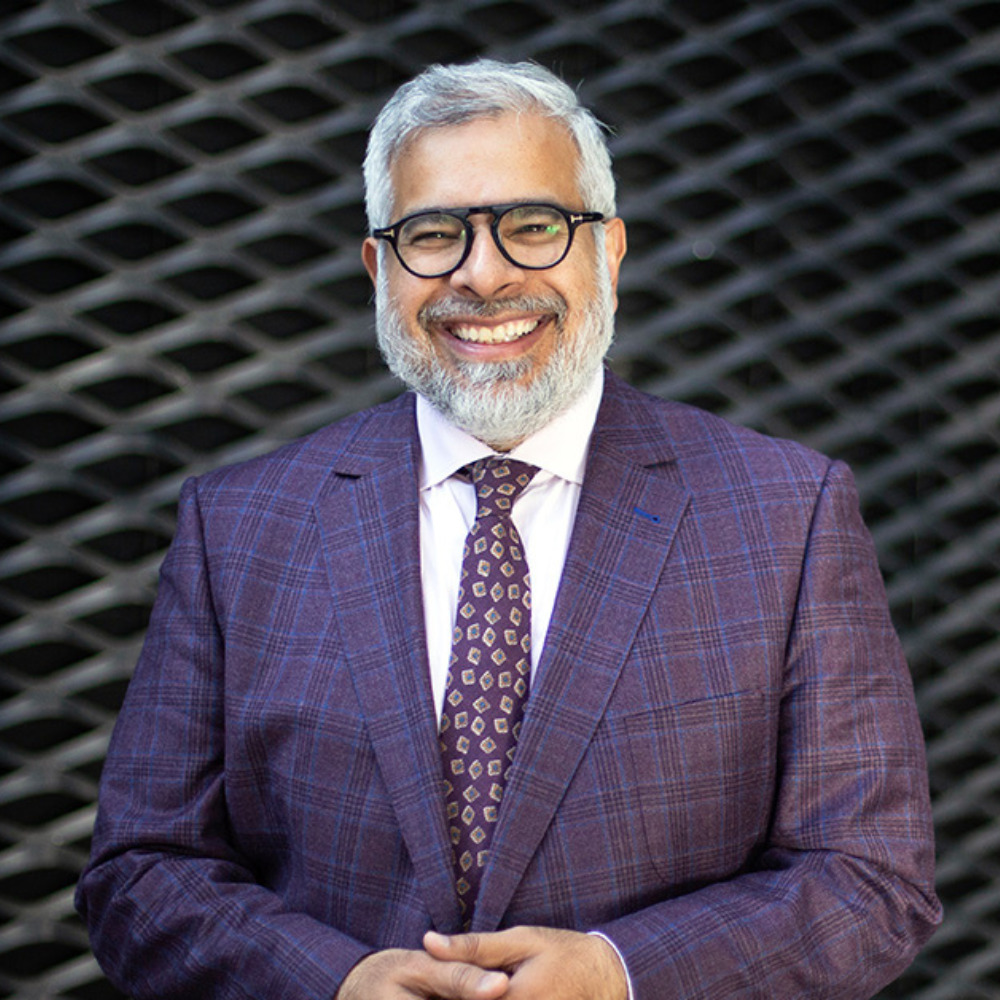
Nouman Ashraf (program lead): Associate Professor, Teaching Stream, Organizational Behaviour and Human Resource Management, Rotman School of Management, U of T

Lisa Helps (program lead): Executive Lead Project Acceleration, BC Housing ; former Housing Solutions Advisor to the B.C. Premier; former Mayor of Victoria
Urban change in practice
These profiles share an overview of past program learners’ workplace initiatives and explore the challenges that shaped the work, the impact and potential for scaling, and the key lessons learned along the way.
FAQs
Absolutely! The program is designed to accommodate participants at different phases of their initiatives, from initial concept to implementation.
Sessions are delivered through a mix of online and in-person formats with interactive workshops, activities, and discussions.
At this time, School of Cities does not offer scholarships, bursaries, or financial assistance. Participants are encouraged to explore funding opportunities through their employers, professional associations, or local grants to support their enrollment in the program.
Yes, this program qualifies for a T2202 form. To receive the form, provide your Social Insurance Number (SIN) when registering. The T2202 form will be issued at tax time for your records.
Currently, payment plans are not available.
The program is designed to be responsive and tailored to meet the evolving needs of professionals. Themes are selected based on emerging trends and challenges. To stay informed about upcoming opportunities, check the program’s webpage or subscribe to updates from the School of Cities in the page footer below.
Yes, participants who successfully complete the program will receive a Certificate of Completion from the School of Cities, University of Toronto. The program undergoes a rigorous quality assurance process to ensure it meets high academic and professional standards, including regular updates based on participant feedback and industry best practices.
Non-credit learning policies
Review the policies that apply to all School of Cities non-credit professional learning offerings, including microcredentials, workshops, certificates, and custom training.

Questions about the program?
Feel free to contact us about fee and payment options, program content and applicability, or anything else: email us at education.sofc@utoronto.ca
Sign up for more information and updates about this program
Let us know if you would like more information and updates about this specific program (even if you have expressed interest in other programs before).
"*" indicates required fields
Each application is thoroughly reviewed to ensure the workplace initiative aligns with the program’s objectives and is a good fit for the cohort. If space is available applicants will be notified of their admission and invited to complete their registration with payment for the program.